
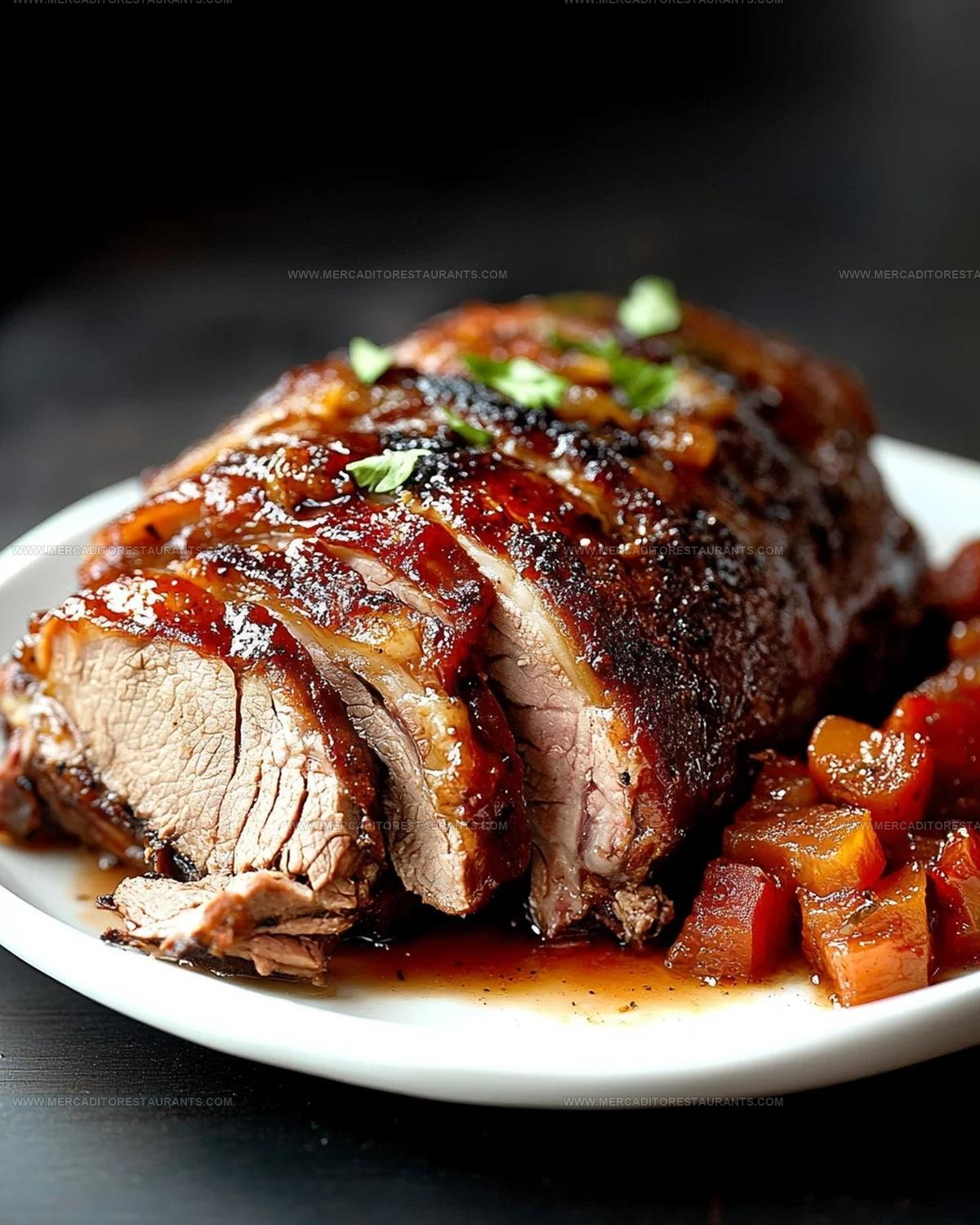
Tender Slow Roasted Pork Shoulder Recipe For Sundays

Slow roasted pork shoulder serves up tender, fall-apart meat that wins over anyone lucky enough to have a seat at the table.
Rich flavor develops over hours of gentle cooking, creating something truly special for family dinners or weekend gatherings.
You can spend time with loved ones instead of hovering in the kitchen, knowing dinner is quietly becoming spectacular.
Preparation takes just minutes, then patience does all the heavy lifting.
Each bite melts in the mouth with a depth that only low and slow cooking can achieve.
The kind of meal that creates everyone back for seconds and has them asking when you'll make it again.
Why Slow Roasted Pork Shoulder Is Worth the Time
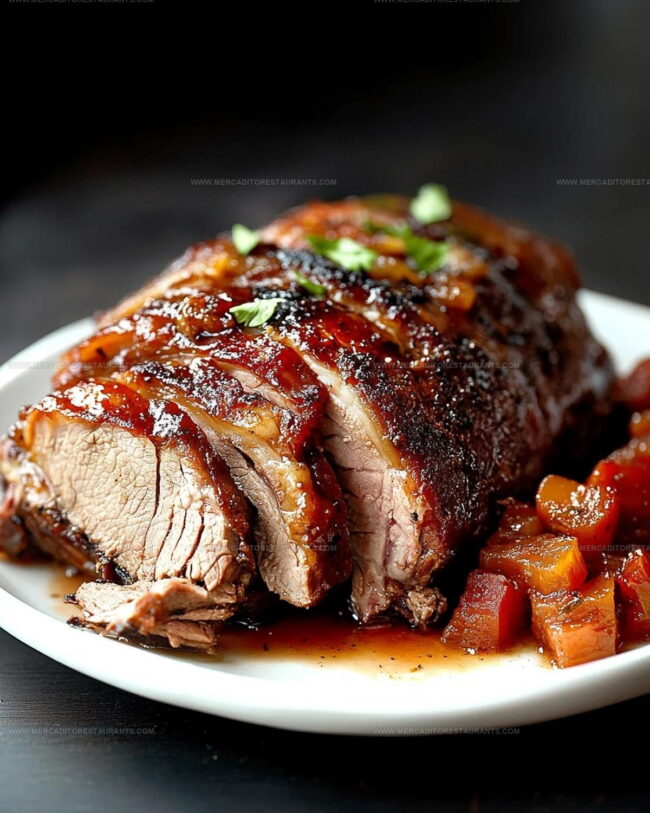
Essential Ingredients for Slow Roasted Pork Shoulder
Main Meat:Salt and Sugar Base:Best Tools for Slow Roasted Pork Shoulder
Detailed Instructions for Slow Roasted Pork Shoulder
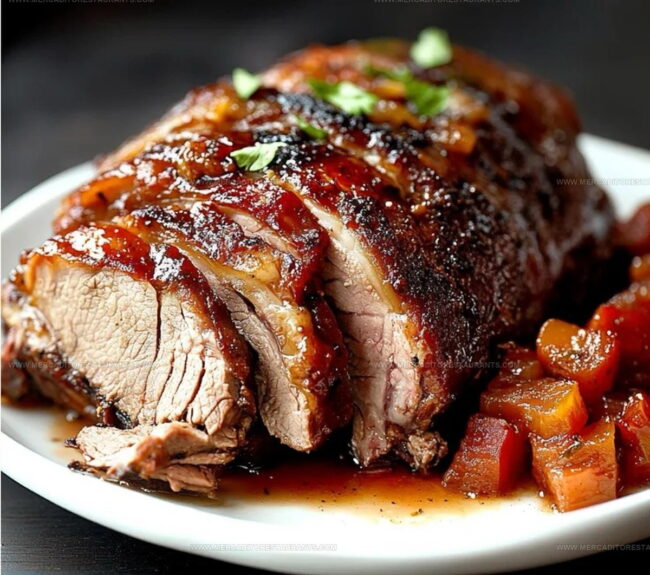
Salt And Sugar Rub
Grab your pork shoulder and sprinkle salt and sugar all over its surface. Make sure every inch gets some love from the seasoning. Wrap the meat tightly and stash it in the refrigerator overnight so the flavors can work their magic.
Prepare The Oven
Heat your oven to exactly 300°F. This slow temperature will help break down the tough muscle fibers and make the meat super tender.
Initial Roasting
Place the pork in a large baking dish and slide it into the oven. Every half hour, pull out the dish and drizzle some of those delicious pan juices over the meat to keep it moist.
Sugar Coating
After 5 hours of roasting, the pork should be falling-apart tender. Carefully remove the dish from the oven and crank the temperature up to 475°F.
Sprinkle the brown sugar evenly across the surface of the pork, making sure it covers every nook and cranny.
Final Crisp
Pop the pork back into the blazing hot oven for 15 minutes. Watch closely as the sugar transforms into a gorgeous caramelized crust that adds incredible texture and depth of flavor.
Smart Tips For Slow Roasted Pork Shoulder
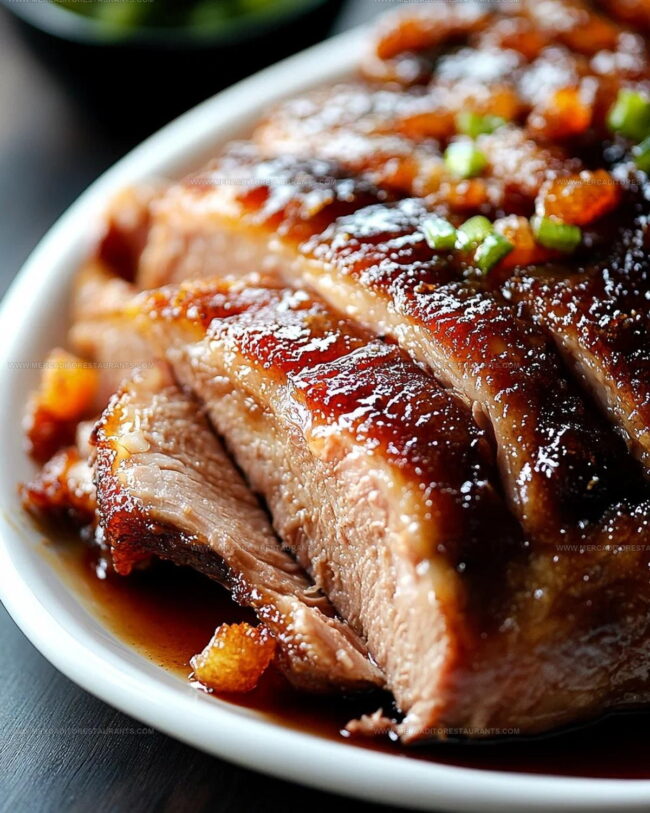
Easy Variations for Slow Roasted Pork Shoulder
How This Dish Is Best Served Slow Roasted Pork Shoulder
Slow Roasted Pork Shoulder Storage And Reheat
Slow Roasted Pork Shoulder Common Questions
Can I use a different cut of pork?
While pork shoulder works best due to its fat content and tenderness, you could substitute with pork butt, which has similar characteristics and will produce comparable results.
What happens if I skip the overnight brining?
Skipping the brining step means less flavor penetration and potentially drier meat. The salt and sugar help tenderize and season the pork deeply before cooking.
Do I need special equipment to make this recipe?
No special equipment is required. A standard baking dish, oven, and basic kitchen tools are all you need to create this delicious roasted pork.
Can I prepare this recipe for a smaller group?
Absolutely – you can reduce the amount of pork proportionally. Just maintain the same seasoning ratio and adjust cooking time based on the weight of your meat.
What’s the best way to check if the pork is truly done?
Use a meat thermometer inserted into the thickest part. The internal temperature should reach 195°F for perfect pulled pork texture.
How do I prevent the sugar crust from burning?
Watch carefully during the final high-heat stage. If the crust starts to darken too quickly, loosely tent with aluminum foil to protect it from burning.
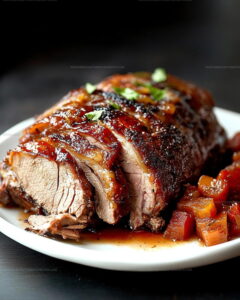
Slow Roasted Pork Shoulder Recipe
- Total Time: 17 hours 15 minutes
- Yield: 8 1x
Description
Slow Roasted Pork Shoulder delivers pure comfort straight to your dinner table, with tender meat that falls apart at the gentlest touch of a fork. Packed with rich flavor and minimal effort, this dish turns an ordinary weeknight meal into something truly special for your family.
Ingredients
Main Ingredients:
- 6 to 8 pork shoulder, boneless
Supporting Ingredients:
- 2 tablespoons salt
Seasoning:
- ¼ cup granulated sugar
- ½ cup brown sugar
Instructions
- Season the 6-8 pound pork shoulder with 2 tablespoons salt and ¼ cup granulated sugar, ensuring complete coverage. Refrigerate overnight, tightly wrapped.
- Remove pork from refrigerator 30 minutes before cooking. Heat oven to 300°F.
- Place pork in a large baking dish, positioning it on the bottom oven rack. Roast for 5 hours, basting with pan juices every 30 minutes.
- Check meat’s tenderness after 5 hours. The pork should easily shred when prodded with a fork.
- Remove pork from oven. Increase oven temperature to 475°F.
- Sprinkle ½ cup brown sugar evenly over the pork’s surface, covering every inch.
- Return pork to oven. Roast for 15 minutes until sugar caramelizes into a rich, deep brown crust.
- Remove from oven and let rest for 20 minutes before slicing or shredding your perfectly roasted meat.
Notes
- Always choose a pork shoulder with good marbling to ensure maximum tenderness and flavor during the slow roasting process.
- Salt and sugar brining the night before helps break down muscle fibers and creates a deeper, more complex taste profile for the meat.
- Basting every 30 minutes keeps the pork moist and helps develop a rich, caramelized exterior during the long cooking time.
- For gluten-free or low-carb diets, replace brown sugar with a keto-friendly sweetener like monk fruit or erythritol to create a similar caramelized crust.
- Prep Time: Overnight brining (12 hours)
- Cook Time: 5 hours 15 minutes
- Category: Roasted
- Method: Roasting
- Cuisine: American
Nutrition
- Serving Size: 8
- Calories: 523
- Sugar: 9 g
- Sodium: 1450 mg
- Fat: 35 g
- Saturated Fat: 12 g
- Unsaturated Fat: 19 g
- Trans Fat: 0.5 g
- Carbohydrates: 8 g
- Fiber: 0 g
- Protein: 43 g
- Cholesterol: 140 mg
Isabella Romero
Hospitality & Beverage Editor
Expertise
Cocktail Culture, Tequila and Mezcal Knowledge, Guest Experience Writing, Restaurant Trends, Event Dining Guides
Education
- Program: B.A. in Hospitality Management
- Focus: Studied hospitality through a program built around theory and application, with practical preparation for restaurant and guest-experience careers in Chicago’s hospitality industry.
Wine & Spirit Education Trust (WSET)Isabella brings together cocktails, food culture, social dining, and the thoughtful details that make a meal feel memorable. Her content blends atmosphere, flavor, and hospitality in a warm, polished style that helps readers connect with the full dining experience, from the first sip to the last bite.