
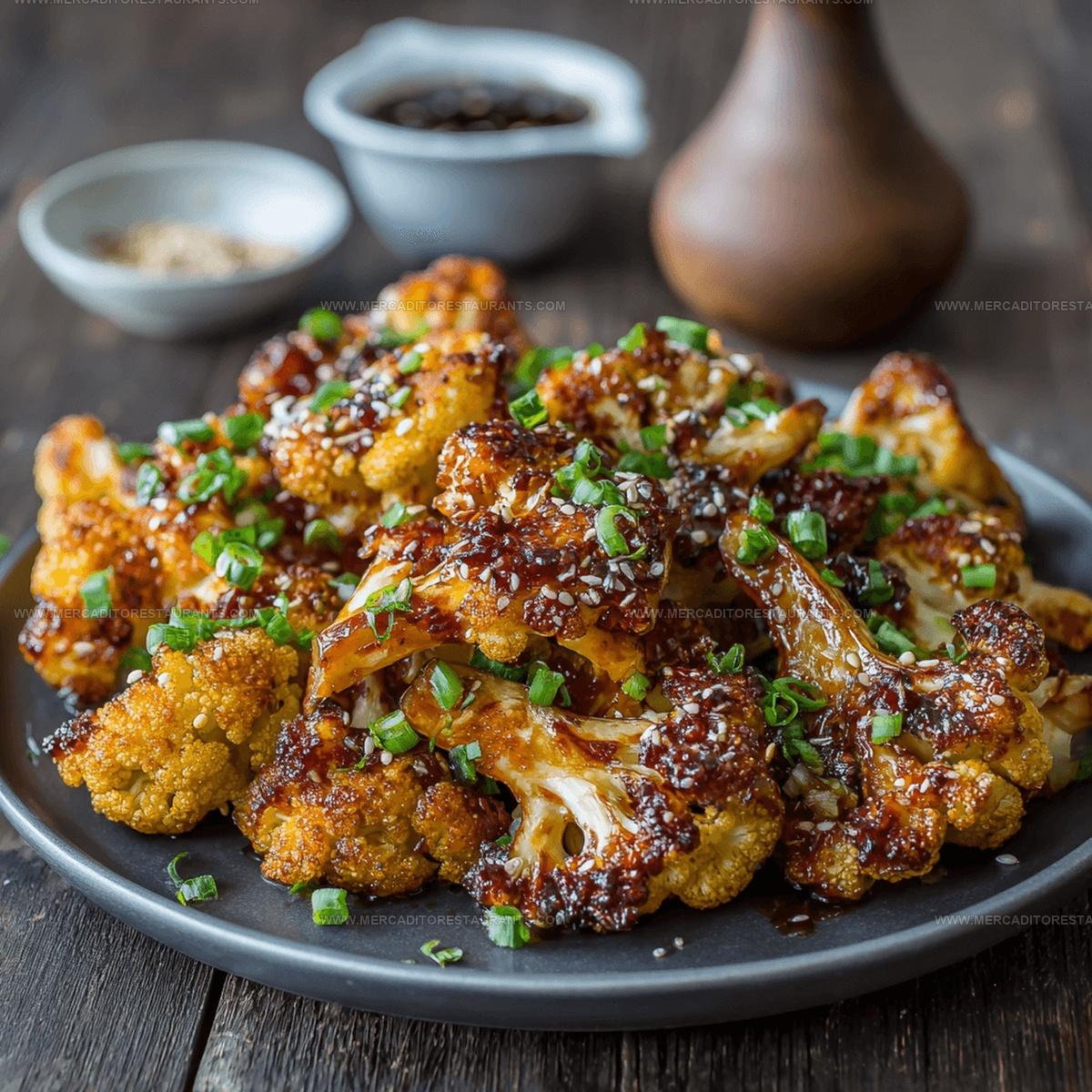
Korean Baked Cauliflower Recipe

Korean Baked Crispy Cauliflower Recipe for Bold Flavor

Korean baked cauliflower offers a mouthwatering fusion of crispy textures and bold flavors that will revolutionize your weeknight dinner routine.

Comfort food meets global cuisine in this sensational dish that promises to tantalize taste buds with its perfect balance of crunch and spice.

Vegetable lovers and spice enthusiasts find themselves completely captivated by the stunning combination of golden-brown edges and complex seasoning.

Crispy exteriors give way to tender, succulent centers that make this recipe an instant crowd-pleaser for any gathering or solo meal.

Packed with intense umami notes and unexpected depth, this recipe transforms a humble vegetable into a restaurant-worthy experience that defies expectations.

Home cooks of all skill levels can easily master this delectable preparation that sounds sophisticated but comes together with surprising simplicity.

Why Korean Baked Cauliflower Hits The Spot

  • Spice Adventure: This Korean baked cauliflower brings bold, tangy flavors that transform a simple vegetable into a seriously addictive side dish perfect for surprising your dinner guests.
  • Super Simple Technique: No complicated cooking skills needed – just toss, season, and bake, making this recipe totally approachable for anyone wanting to expand their cooking repertoire.
  • Healthy Comfort Food: Packed with vegetables and bold Korean-inspired flavors, this dish delivers a nutritious alternative to traditional fried snacks that actually tastes incredible.
  • Quick Crowd Pleaser: With minimal ingredients and straightforward steps, this recipe works brilliantly for weeknight dinners or casual gatherings where everyone wants something delicious and different.

Korean Baked Cauliflower Ingredient Breakdown

Main Ingredients:
  • 1 Large Head Cauliflower: The star of the dish that transforms from a simple veggie into a crispy, spicy sensation. Break this into bite-sized florets for the perfect texture.
  • 1/4 Cup Gochujang: This Korean red chili paste brings serious heat and depth to your cauliflower. Adds a fiery kick that makes the dish unforgettable.
  • 2 Tablespoons Maple Syrup: Balances the spicy gochujang with a touch of sweet smoothness. Creates a perfect flavor harmony in the glaze.
Seasoning Ingredients:
  • 2 Tablespoons Olive Oil, 1 Teaspoon Salt, 1/2 Teaspoon Black Pepper, 1 Teaspoon Garlic Powder: These classic seasonings help create a delicious base flavor that coats every cauliflower floret. They’ll make sure each bite is packed with taste.
  • 2 Tablespoons Soy Sauce, 1 Tablespoon Rice Vinegar, 1 Tablespoon Sesame Oil, 1 Teaspoon Grated Fresh Ginger: This combination of Asian-inspired ingredients builds a complex, tangy sauce that elevates the entire dish.
Garnish Ingredients:
  • 1 Teaspoon Sesame Seeds, 2 Green Onions: These final touches add a nutty crunch and fresh green color. Sprinkle them on top for a professional restaurant-style presentation.

Common Prep Tools for Korean Baked Cauliflower

  • Large Baking Sheet: Essential for spreading your cauliflower florets in a single layer and getting those perfectly crispy edges.
  • Parchment Paper: Prevents sticking and makes cleanup super easy on your baking sheet.
  • Whisk: Perfect for blending the Korean glaze ingredients smoothly without any lumps.
  • Small Mixing Bowl: Great for combining your sauce ingredients and creating that delicious glaze.
  • Sharp Chef’s Knife: Needed to cut cauliflower into even florets and slice green onions precisely.
  • Cutting Board: Provides a stable surface for chopping your vegetables and ingredients.
  • Pastry Brush: Helps you generously coat each cauliflower floret with the Korean glaze for maximum flavor.
  • Measuring Cups and Spoons: Ensures accurate portioning of your ingredients for consistent results.

Cooking Method for Korean Baked Cauliflower
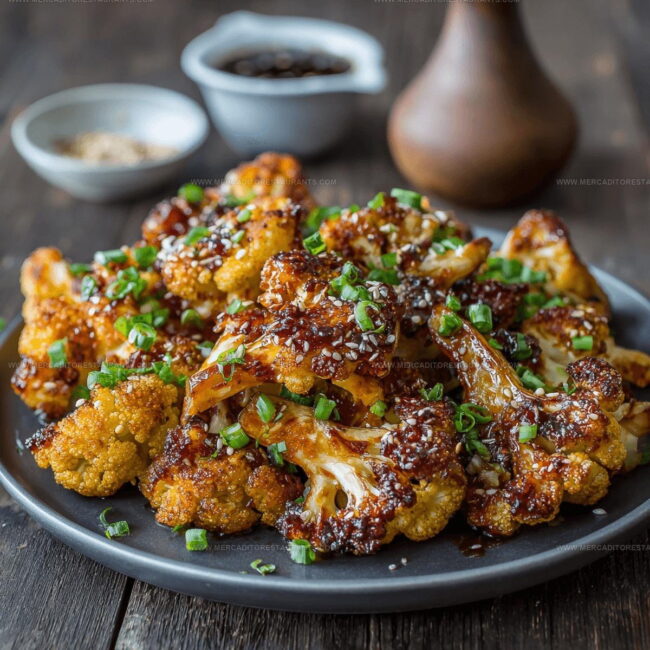
Cooking Method for Korean Baked Cauliflower
1

Prepare Oven and Baking Sheet

Preheat the oven to 425°F and grab a baking sheet. Line it with parchment paper so cleaning up later will be a breeze.

2

Season Cauliflower

Break down the cauliflower into bite-sized florets. Toss the florets with seasoning ingredients:

  • 2 tablespoons olive oil
  • 1 teaspoon salt
  • 1/2 teaspoon black pepper
  • 1 teaspoon garlic powder

Make sure each piece gets a nice, even coating of seasoning.

3

First Roast

Spread the seasoned florets on the baking sheet in a single layer. Ensure no pieces are touching each other. Roast at 425°F for 20-25 minutes. Flip the florets halfway through cooking to get those edges crispy and golden brown.

4

Create Korean Glaze

While the cauliflower roasts, whip up the glaze in a small bowl. Combine:

  • 1/4 cup gochujang
  • 2 tablespoons maple syrup
  • 2 tablespoons soy sauce
  • 1 tablespoon rice vinegar
  • 1 tablespoon sesame oil
  • 1 teaspoon grated fresh ginger

Whisk everything together until the sauce looks smooth and well-blended.

5

Glaze and Final Roast

Pull the cauliflower from the oven and brush every single floret generously with the Korean glaze. Make sure each piece is completely coated. Pop the baking sheet back in the oven for another 5 minutes to let the sauce caramelize.

6

Garnish and Serve

Transfer the glazed cauliflower to a serving platter. Sprinkle:

  • 1 teaspoon sesame seeds
  • 2 sliced green onions

Serve right away while the cauliflower is hot and super crispy.

Key Cooking Notes For Korean Baked Cauliflower

  • Line your baking sheet with parchment paper to make cleanup a breeze and prevent any sticky situations.
  • Toss cauliflower florets with oil and spices until every single piece gets an even, delicious coating.
  • Spread florets in a single layer without crowding to ensure each piece gets perfectly golden and crisp around the edges.
  • Whisk the Korean sauce ingredients until super smooth, creating a glossy, flavor-packed coating that’ll make your cauliflower irresistible.
  • Sprinkle sesame seeds and green onions right before serving to add a fresh crunch and beautiful pop of color to your dish.

New Spins for Korean Baked Cauliflower

  • Spicy Veggie Mix: Swap cauliflower for broccoli or brussels sprouts, adjusting baking time to 15-18 minutes based on vegetable size and ensuring crispy edges.
  • Gluten-Free Version: Replace soy sauce with tamari or coconut aminos to make the recipe completely gluten-free without changing flavor profile.
  • Vegan Honey Alternative: Substitute maple syrup with agave nectar or date syrup for a different natural sweetener that keeps the sauce consistency perfect.
  • Low-Carb Option: Reduce maple syrup to 1 tablespoon and add monk fruit sweetener to maintain sauce thickness while cutting down on sugar content.

Serving Styles That Suit Korean Baked Cauliflower

  • Perfect Side Dish Pairing: Serve this crispy cauliflower alongside steamed jasmine rice to soak up all those amazing Korean-inspired sauce flavors.
  • Smart Serving Temperature: Get these golden florets right to the table while they’re super hot and crunchy, so your guests can enjoy maximum texture and flavor.
  • Quick Garnish Tip: Sprinkle extra sesame seeds and green onions just before serving to add a fresh, bright crunch that complements the caramelized sauce.
  • Protein Partner: Complement this dish with grilled chicken or tofu for a complete meal that balances the spicy-sweet cauliflower with a simple protein.

Practical Storage Advice For Korean Baked Cauliflower

  • Store leftover Korean baked cauliflower in an airtight container in the refrigerator for up to 3 days. The crispy edges will soften, so reheat in the oven to restore the crunch.
  • Freeze your glazed cauliflower in a single layer on a baking sheet, then transfer to a freezer bag. This prevents the pieces from sticking together and keeps them fresh for about a month.
  • When reheating from the refrigerator, spread the cauliflower on a baking sheet and warm at 375°F for 8-10 minutes to help restore its crispy texture.
  • Separate the fresh green onions and sesame seeds before storing, adding them right before serving to maintain their bright flavor and crunch.

Korean Baked Cauliflower FAQs

FAQ

What makes gochujang different from other hot sauces?

Gochujang is a Korean fermented chili paste with a unique sweet, spicy, and tangy flavor that adds depth unlike typical hot sauces. Its complex taste comes from red chili powder, glutinous rice, fermented soybeans, and salt.

FAQ

Can I use frozen cauliflower instead of fresh?

Fresh cauliflower works best for achieving crispy edges. Frozen cauliflower tends to release more moisture, making it difficult to get the same golden-brown texture and crisp exterior.

FAQ

How spicy is this dish?

The gochujang provides a moderate heat level that’s balanced by maple syrup’s sweetness. If your spice tolerance is low, start with less gochujang or choose a mild version of the sauce.

FAQ

Do I need a special type of baking sheet?

A rimmed metal baking sheet helps distribute heat evenly and prevents florets from steaming. Avoid glass or ceramic, which can slow down the browning process.

FAQ

What if I don’t have rice vinegar?

Apple cider vinegar makes an excellent substitute, providing similar tangy acidity that helps balance the rich, sweet gochujang glaze.
Print
clock clock iconcutlery cutlery iconflag flag iconfolder folder iconinstagram instagram iconpinterest pinterest iconfacebook facebook iconprint print iconsquares squares iconheart heart iconheart solid heart solid icon
Korean Baked Cauliflower Recipe

Korean Baked Cauliflower Recipe


5 Stars 4 Stars 3 Stars 2 Stars 1 Star

4.8 from 27 reviews

  • Total Time: 40 minutes
  • Yield: 4 1x

Description

Spicy Korean Baked Cauliflower brings wild flavors straight to your dinner table with crispy, tangy goodness that makes weeknight meals exciting. Tender cauliflower florets coated in a zesty sauce deliver a seriously delicious punch that keeps your taste buds dancing.


Ingredients

Scale

Main Ingredients:

  • 1 large head cauliflower
  • ¼ cup gochujang
  • 2 tablespoons maple syrup

Seasoning Ingredients:

  • 2 tablespoons olive oil
  • 1 teaspoon salt
  • ½ teaspoon black pepper
  • 1 teaspoon garlic powder
  • 2 tablespoons soy sauce
  • 1 tablespoon rice vinegar
  • 1 tablespoon sesame oil
  • 1 teaspoon grated fresh ginger

Garnish Ingredients:

  • 1 teaspoon sesame seeds
  • 2 green onions

Instructions

  1. Warm your oven to 425°F and line a baking sheet with parchment paper for easy cleanup.
  2. Toss 1 large head of cauliflower florets with 2 tablespoons olive oil, 1 teaspoon salt, ½ teaspoon black pepper, and 1 teaspoon garlic powder until each piece is evenly coated.
  3. Spread seasoned cauliflower florets in a single layer on the prepared baking sheet, ensuring no pieces overlap. Roast at 425°F for 20-25 minutes, turning halfway through, until edges become crispy and golden brown.
  4. While cauliflower bakes, whisk together ¼ cup gochujang, 2 tablespoons maple syrup, 2 tablespoons soy sauce, 1 tablespoon rice vinegar, 1 tablespoon sesame oil, and 1 teaspoon grated ginger in a small bowl until smooth.
  5. Remove cauliflower from the oven and brush generously with the Korean glaze, coating each floret completely. Return to the oven for an additional 5 minutes to caramelize the sauce.
  6. Transfer glazed cauliflower to a serving platter, sprinkle with 1 teaspoon sesame seeds and 2 sliced green onions. Serve immediately while hot and crispy.

Notes

  • Cut cauliflower into similar-sized florets to ensure even cooking and crispy texture.
  • Shake excess cornstarch off florets before baking to prevent a thick, gummy coating.
  • Use parchment paper or a silicone mat for easier cleanup and crispier edges.
  • For a gluten-free version, swap regular soy sauce with tamari and check your gochujang for wheat-free options.
  • Prep Time: 15 minutes
  • Cook Time: 25 minutes
  • Category: Baked
  • Method: Baking
  • Cuisine: Korean

Nutrition

  • Serving Size: 4
  • Calories: 146 kcal
  • Sugar: 8 g
  • Sodium: 667 mg
  • Fat: 9 g
  • Saturated Fat: 1.3 g
  • Unsaturated Fat: 7.5 g
  • Trans Fat: 0 g
  • Carbohydrates: 15 g
  • Fiber: 4 g
  • Protein: 3 g
  • Cholesterol: 0 mg
Daniel Navarro

Daniel Navarro

Culinary Content Director

Expertise

Mexican-inspired Menus, Seasonal Restaurant Specials, Shared Plate Dining, Tequila Pairings, Chef-driven Recipes

Education

City Colleges of Chicago
  • Program: Culinary Arts, Associate in Applied Science
  • Focus: Trained in hands-on food production in a commercial food-service setting, with coursework that covers culinary technique, ethnic and classical menus, business planning, cost control, and merchandising.

Daniel writes about bold flavors, chef-driven dishes, and the kind of restaurant moments that turn tacos, mezcal, and shared plates into a night worth repeating.

Leave a Reply

Your email address will not be published. Required fields are marked *

Recipe rating 5 Stars 4 Stars 3 Stars 2 Stars 1 Star