
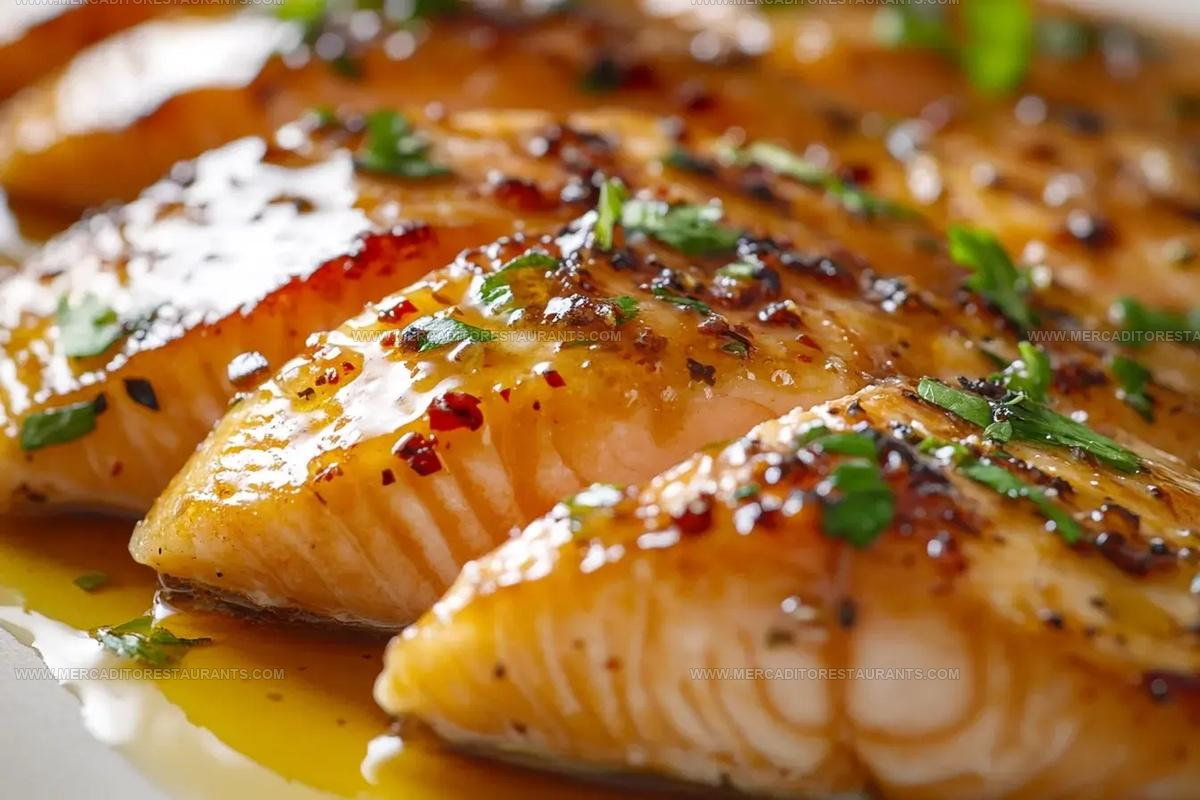
Oven-Roasted Salmon Recipe for Tender Flaky Fish Every Time

Baked salmon recipe fans know that few dinners feel as satisfying and nourishing as a perfectly cooked piece of fish straight from the oven.
This protein-packed main course works beautifully for busy weeknights when time is limited but also feels special enough for entertaining guests on the weekend.
The gentle heat of the oven creates a tender, flaky texture that appeals to seafood lovers and those new to cooking fish alike.
Families appreciate how quickly it comes together, while health-conscious cooks love the nutritional benefits packed into every serving.
The versatility makes it suitable for casual suppers or more formal occasions when you want to impress without spending hours in the kitchen.
Pairing options are nearly limitless, from simple sides to more elaborate accompaniments.
Scroll down to find a foolproof method that guarantees delicious results every time.
What Makes Baked Salmon At 425 So Satisfying
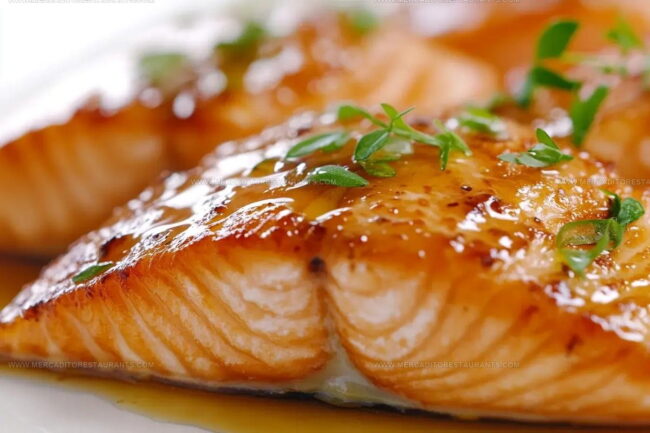
Perfect Baked Salmon Ingredient List
Main Protein:Seasonings and Aromatics:Liquids and Garnish:Simple Kitchen Equipment for Salmon at 425
Simple Instructions for Baking Salmon at 425 Degrees
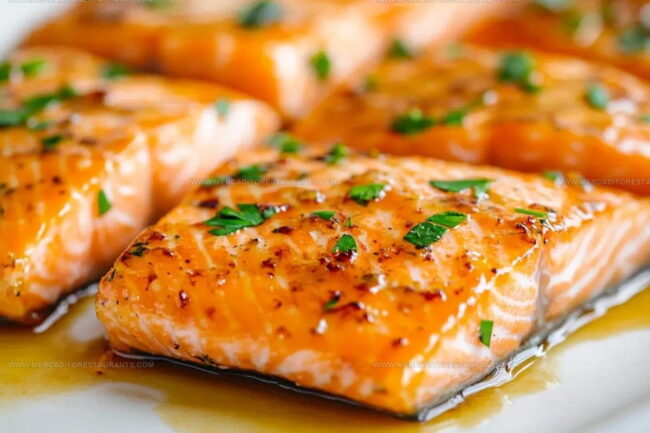
Prep the Salmon
Grab your paper towels and gently pat each salmon fillet until completely dry. This helps get that perfect crispy exterior when baking.
Season and Oil
Drizzle 2 tablespoons olive oil over the salmon, making sure both sides get a nice coating. Then sprinkle your seasonings:
Mince 2 cloves of garlic super fine and dust them across the fillets.
Add Zesty Flavor
Take your lemon and zest half of it directly over the salmon pieces. The bright citrus notes will make your fish sing with flavor.
Prepare the Baking Sheet
Grab a baking sheet and either line it with parchment paper or give it a light grease. Arrange your salmon fillets skin-side down, giving each piece some breathing room.
Preheat and Position
Set your oven to 425°F and position the rack right in the middle. This ensures even cooking across all your salmon fillets.
Bake to Perfection
Slide the baking sheet into the preheated oven and bake for 10-12 minutes. Grab your meat thermometer to check that the internal temperature hits 145°F.
Final Touches
Pull the salmon out when it flakes easily with a fork and looks beautifully opaque.
Squeeze some fresh lemon juice over the top and sprinkle 1 tablespoon of chopped fresh dill.
Rest and Serve
Let the salmon rest for 2-3 minutes before serving. This helps the juices redistribute, keeping your fish tender and delicious.
Practical Cooking Insight for Baking Salmon at 425
Cooking Method Variations for Baking Salmon at 425
Serving And Pairing Ideas For Perfectly Baked Salmon
Storing Baked Salmon at 425 Properly
Baking Salmon At 425 Frequently Asked Questions
Can I use frozen salmon for this recipe?
Thaw salmon completely in the refrigerator overnight before preparing. Pat fillets dry with paper towels to remove excess moisture and ensure even cooking.
How do I know if the salmon is fully cooked?
Use a meat thermometer to check the internal temperature reaches 145°F. The salmon should flake easily with a fork and appear opaque throughout.
What if my salmon fillets are different thicknesses?
Adjust cooking time based on the thickest part of the fillet. Thinner pieces might need less time, so check doneness early to prevent overcooking.
Do I need any special equipment for baking salmon?
A baking sheet, parchment paper or light cooking spray, and a meat thermometer are helpful. A sharp knife for zesting and cutting helps too.
Can I substitute dried herbs for fresh dill?
Fresh dill provides the best flavor, but dried herbs work in a pinch. Use about one-third the amount of dried herbs compared to fresh.
Is skin-on or skinless salmon better for baking?
Both work well. Skin-on salmon can help keep the fish moist and adds a crispy texture when baked at high temperatures.
Dill-Infused Classic Salmon Bake Recipe
- Total Time: 20-25 minutes
- Yield: 4 1x
Description
Salmon roasted at 425 degrees delivers mouthwatering results that bring restaurant-quality seafood straight to your dinner table. Crispy edges, tender center, and minimal prep make this method a total game-changer for weeknight cooking.
Ingredients
Main Protein:
- 4 6-ounce salmon fillets
Seasonings and Aromatics:
- 1 teaspoon salt
- ½ teaspoon black pepper
- ¼ teaspoon paprika
- 2 cloves garlic
- 1 tablespoon fresh dill
Liquids and Garnish:
- 2 tablespoons olive oil
- 1 lemon
Instructions
- Thoroughly dry 4 6-ounce salmon fillets with paper towels to eliminate excess moisture, ensuring crisp seasoning adherence.
- Drizzle 2 tablespoons olive oil across salmon, meticulously coating both surfaces for even flavor distribution.
- Sprinkle 1 teaspoon salt, ½ teaspoon black pepper, and ¼ teaspoon paprika uniformly over each fillet’s surface.
- Mince 2 garlic cloves into fine fragments and delicately scatter across salmon pieces.
- Grate zest from half a lemon directly onto the fillets for bright, citrusy undertones.
- Position oven rack in middle position and preheat to 425°F for optimal cooking environment.
- Prepare baking sheet by lining with parchment paper or applying light grease to prevent sticking.
- Position salmon fillets skin-side down on prepared baking sheet, ensuring they do not overlap.
- Slide salmon into preheated 425°F oven and bake precisely 10-12 minutes until internal temperature reaches 145°F.
- Verify doneness by checking salmon flakes effortlessly with fork and appears completely opaque.
- Extract salmon from oven and squeeze fresh lemon juice across fillets for additional brightness.
- Sprinkle chopped fresh dill over salmon just before serving for aromatic finish.
- Allow salmon to rest 2-3 minutes, enabling natural juice redistribution for maximum tenderness.
Notes
- Always pat salmon fillets completely dry to help achieve a beautifully crisp exterior and prevent steaming.
- Use a meat thermometer to check doneness, aiming for 145°F to ensure perfectly cooked, tender salmon without overcooking.
- Fresh herbs like dill or parsley can brighten the flavor and add a gorgeous pop of color to your finished dish.
- For a low-carb, gluten-free option, this salmon recipe works perfectly as-is and pairs wonderfully with roasted vegetables or a light salad.
- Prep Time: 10 minutes
- Cook Time: 10-12 minutes
- Category: Baked
- Method: Baking
- Cuisine: American
Nutrition
- Serving Size: 4
- Calories: 350 kcal
- Sugar: 0 g
- Sodium: 600 mg
- Fat: 22 g
- Saturated Fat: 3.5 g
- Unsaturated Fat: 18 g
- Trans Fat: 0 g
- Carbohydrates: 2 g
- Fiber: 1 g
- Protein: 34 g
- Cholesterol: 85 mg
Daniel Navarro
Culinary Content Director
Expertise
Mexican-inspired Menus, Seasonal Restaurant Specials, Shared Plate Dining, Tequila Pairings, Chef-driven Recipes
Education
Daniel writes about bold flavors, chef-driven dishes, and the kind of restaurant moments that turn tacos, mezcal, and shared plates into a night worth repeating.