
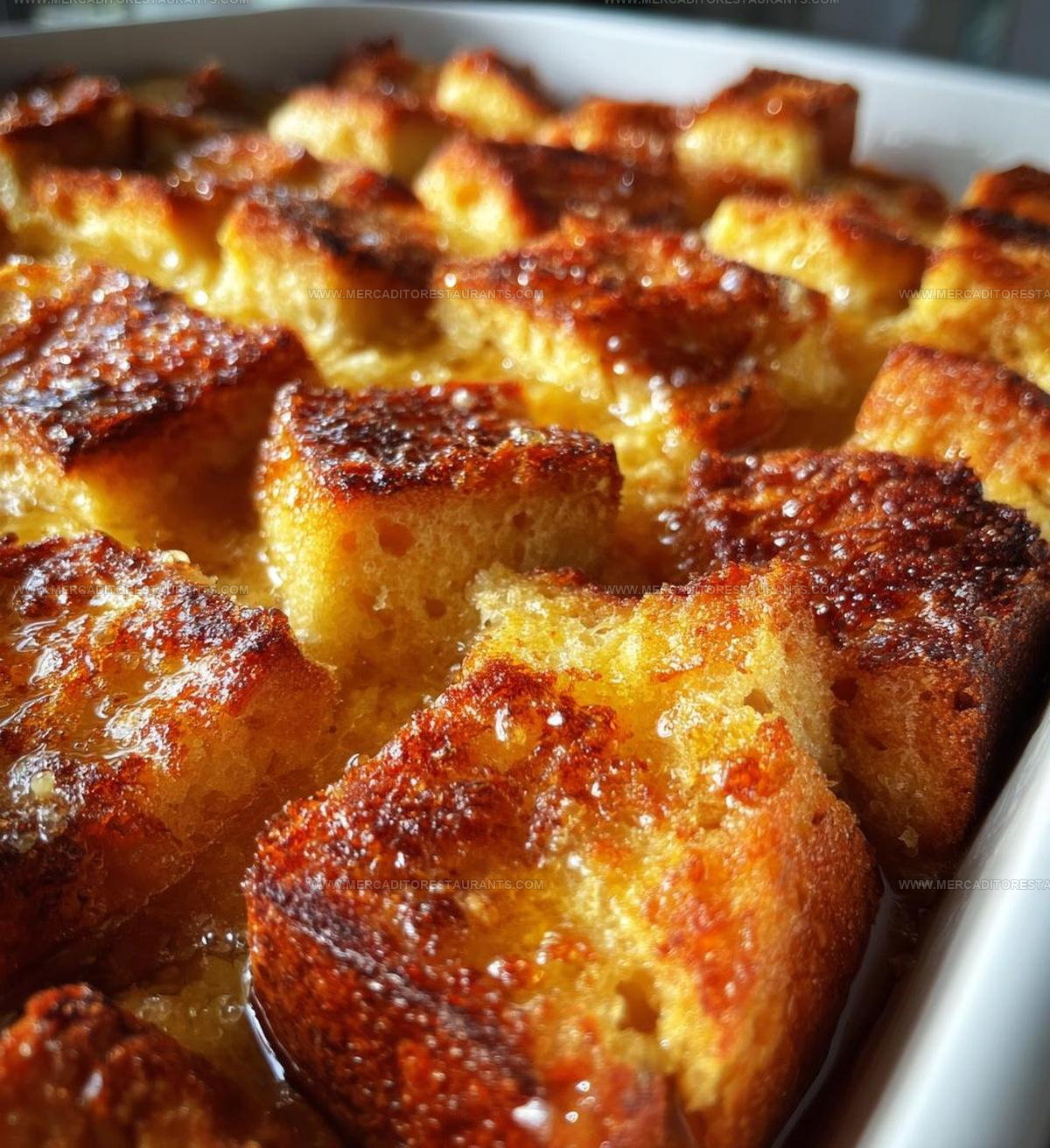
Baked French Toast Casserole Recipe for Lazy Weekend Mornings

Baked French Toast Casserole recipe gives all the comfort of a classic breakfast favorite with half the effort on busy mornings.
When you need to feed a crowd but don't want to stand over a hot stove flipping slice after slice, one pan does all the work while you enjoy time with family.
Soft, custardy layers meet golden, slightly crisp edges in every spoonful, creating texture contrast that makes breakfast feel special without any fuss.
It works beautifully for holiday gatherings, weekend brunch plans, or any morning when sitting down together matters more than rushing through the meal.
The make-ahead nature means prep happens the night before, so mornings become relaxed rather than chaotic.
Whether served warm from the oven or at room temperature, it satisfies sweet breakfast cravings with minimal hands-on time required.
Why You’ll Love Baked French Toast Casserole
Full Ingredient Breakdown for Baked French Toast Casserole
Bread Base:Liquid Mixture:Sweet and Spice Enhancers:Finishing Touch:What Tools Prepare Baked French Toast Casserole
How to Bake a Classic French Toast Casserole
Prepare the Oven
Heat the oven to 350°F (175°C) so it’s ready for baking.
Prepare the Baking Dish
Grab a 9×13 inch baking dish and coat it thoroughly with cooking spray or butter to prevent sticking.
Arrange Bread Cubes
Chop 1 full loaf of French bread into bite-sized cubes and spread them evenly across the bottom of the baking dish.
Create the Egg Mixture
Grab a large mixing bowl and whisk together the following ingredients:
Blend until everything is smooth and well combined.
Soak the Bread
Pour the egg mixture directly over the bread cubes, making sure every piece gets coated. Press down gently to help the bread absorb the liquid.
Add the Butter
Melt 1/4 cup butter and drizzle it evenly across the top of the casserole.
Chill the Casserole
Cover the dish with plastic wrap and refrigerate for at least 2 hours or overnight. This helps the bread soak up all the delicious flavors.
Bake to Perfection
Remove the casserole from the refrigerator and uncover. Bake in the preheated oven for 45-50 minutes until the top turns golden brown and the center is set.
Serve and Enjoy
Pull the casserole from the oven and let it cool for a few minutes. Serve warm with maple syrup drizzled on top.
Helpful Cooking Notes for Baked French Toast Casserole
Baked French Toast Casserole Variations to Prep Ahead
How to Serve Baked French Toast Casserole
Best Storage Advice for Baked French Toast Casserole
Baked French Toast Casserole Breakfast Q&A
Can I use stale bread for this recipe?
Absolutely! Stale bread works perfectly because it absorbs the egg mixture better and creates a more custardy texture.
What type of bread is best for French toast casserole?
Thick-cut challah or brioche bread are ideal because they hold their shape and create a rich, soft texture when soaked.
How do I know when the casserole is fully baked?
The top should be golden brown and the center should be set without any liquid egg mixture visible when you gently press on the surface.
Can this casserole be made ahead of time?
Definitely! Prepare the entire dish the night before and refrigerate, then bake fresh in the morning for an easy breakfast.
Is it possible to make this recipe dairy-free?
Yes, simply swap regular milk for almond, oat, or coconut milk, and use a dairy-free butter alternative.
Can I freeze the prepared casserole?
You can freeze the unbaked casserole for up to one month. Thaw overnight in the refrigerator before baking as directed.
Baked French Toast Casserole Recipe
- Total Time: 6 hours 48 minutes
- Yield: 6 1x
Description
Weekend breakfast dreams come true with French Toast Casserole, a simple make-ahead dish that will have your family eagerly gathering around the table. Crammed with custardy bread, sweet cinnamon notes, and a golden baked finish, this casserole turns ordinary mornings into delightful family moments.
Ingredients
Main Ingredients:
- 1 loaf French bread
- 6 large eggs
- 2 cups milk
Supporting Ingredients:
- ½ cup granulated sugar
- 1 tablespoon vanilla extract
- 1 teaspoon ground cinnamon
- ¼ teaspoon salt
- ¼ cup butter
Serving:
- Maple syrup
Instructions
- Grab a 9×13 inch baking dish and generously coat it with cooking spray or butter to prevent sticking.
- Cut your entire French bread loaf into 1-inch cubes, ensuring they’re roughly the same size for even soaking.
- Spread the bread cubes evenly across the bottom of the prepared baking dish, creating a uniform layer.
- Crack 6 large eggs into a spacious mixing bowl, whisking them until they’re completely smooth and pale yellow.
- Pour 2 cups of milk into the eggs, then add ½ cup granulated sugar, stirring until the sugar dissolves completely.
- Add 1 tablespoon vanilla extract, 1 teaspoon ground cinnamon, and ¼ teaspoon salt to the liquid mixture, blending thoroughly.
- Slowly pour the entire egg mixture over the bread cubes, ensuring every piece gets saturated with the liquid.
- Melt ¼ cup butter and drizzle it evenly across the top of the casserole for extra richness.
- Cover the dish with plastic wrap and refrigerate for a minimum of 2 hours or overnight to allow bread to absorb the liquid.
- Remove the casserole from the refrigerator 30 minutes before baking to reduce temperature shock.
- Preheat your oven to 350°F and position a rack in the center of the oven.
- Uncover the casserole and bake for exactly 45-50 minutes until the top turns golden brown and the center sets firmly.
- Remove from the oven and let it rest for 10 minutes before serving to allow the casserole to stabilize.
- Serve warm, drizzling maple syrup generously over each portion for maximum breakfast enjoyment.
Notes
- Refrigerating the casserole overnight allows bread to soak up the egg mixture, creating a richer, more custardy texture.
- Use day-old or slightly stale bread to prevent the casserole from becoming too soggy.
- For a gluten-free version, swap regular bread with gluten-free challah or brioche.
- Add chopped nuts like pecans or walnuts on top before baking for extra crunch and flavor.
- Prep Time: 6 hours
- Cook Time: 48 minutes
- Category: Casseroles
- Method: Baking
- Cuisine: American
Nutrition
- Serving Size: 6
- Calories: 409 kcal
- Sugar: 15 g
- Sodium: 253 mg
- Fat: 18 g
- Saturated Fat: 10 g
- Unsaturated Fat: 6 g
- Trans Fat: 0.5 g
- Carbohydrates: 49 g
- Fiber: 2 g
- Protein: 11 g
- Cholesterol: 140 mg
Daniel Navarro
Culinary Content Director
Expertise
Mexican-inspired Menus, Seasonal Restaurant Specials, Shared Plate Dining, Tequila Pairings, Chef-driven Recipes
Education
Daniel writes about bold flavors, chef-driven dishes, and the kind of restaurant moments that turn tacos, mezcal, and shared plates into a night worth repeating.